

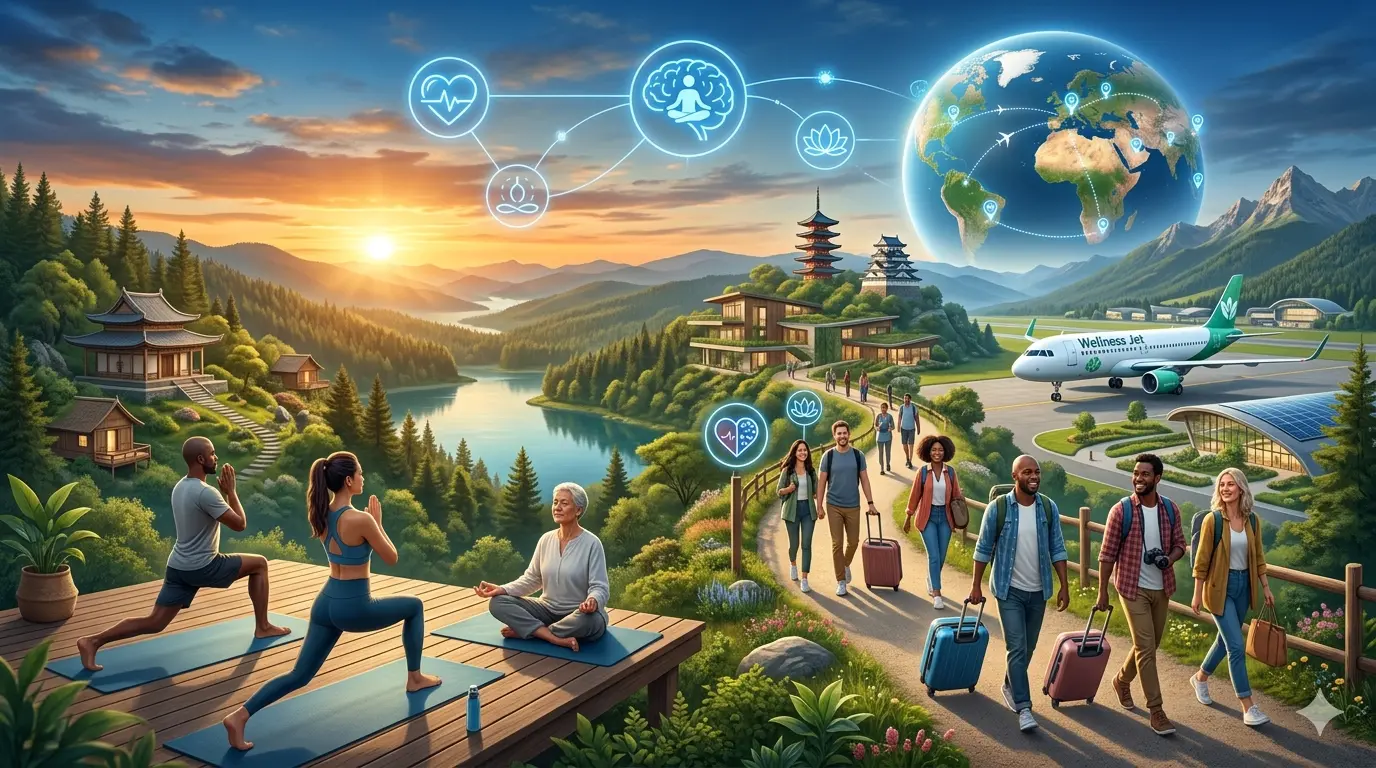
Mental health is no longer a side conversation in travel. It's becoming one of the biggest forces influencing where people go, how long they stay, and what they expect from tourism experiences. Travelers aren't just chasing entertainment anymore. Many are searching for rest, emotional balance, slower schedules, and meaningful experiences that help them feel better mentally.
Here's the thing: the tourism industry is finally realizing that exhausted people travel differently. Global tourism trends are shifting because travelers want recovery, not constant stimulation. That change is reshaping hotels, airlines, wellness retreats, city tourism, and even business travel in ways that would've sounded unusual a decade ago.
Mental health is reshaping the global tourism industry by increasing demand for wellness travel, slower tourism experiences, digital detox trips, nature-based travel, and emotionally restorative vacations. Travelers in 2026 increasingly prioritize stress reduction, work-life balance, and personal wellbeing when choosing destinations and accommodations.
What Is Mental Health Tourism and Why Does It Matter?
Mental health tourism refers to travel experiences designed to support emotional wellbeing, reduce stress, improve relaxation, and encourage healthier lifestyles. This can include wellness retreats, nature travel, mindfulness-focused accommodations, digital detox tourism, and slow travel experiences.
People used to separate vacations from mental health. Not anymore.
Travelers now openly discuss burnout, anxiety, overstimulation, and emotional exhaustion when planning trips. That shift is affecting almost every corner of the tourism industry.
Definition Box:
Mental Health Tourism refers to travel experiences focused on improving emotional wellbeing, reducing stress, and supporting psychological recovery through restorative activities and environments.
What most people overlook is how broad this trend has become. It isn't only luxury spa travelers driving demand. Students, remote workers, parents, entrepreneurs, and even corporate teams are choosing travel experiences that feel emotionally restorative.
I've personally noticed travelers talking more about "peace" than "adventure" lately. That's a pretty major cultural shift.
Tourism brands are adapting because consumer priorities changed fast after years of global stress, work pressure, and digital overload.
Expert Tip
Destinations that combine nature, slower pacing, and strong local culture tend to create stronger emotional satisfaction than overly crowded tourism hotspots.
Why Mental Health Tourism Matters in 2026
Mental health tourism matters in 2026 because stress levels remain high globally, while flexible work schedules have changed how people travel.
A lot of travelers aren't waiting for annual vacations anymore. They're taking shorter recovery trips throughout the year to manage stress and burnout.
That pattern is reshaping tourism economics.
Hotels are redesigning spaces to feel calmer. Airlines are investing in passenger comfort. Resorts now promote sleep quality and mindfulness instead of nonstop entertainment. Even city tourism campaigns increasingly focus on wellness and balance.
Here's a counterintuitive point though: travelers are often spending more money on simpler experiences.
Ten years ago, tourism marketing emphasized packed itineraries and endless attractions. Now many people willingly pay for quiet spaces, nature access, slower schedules, and reduced digital distractions.
Honestly, that probably says something bigger about modern life.
A realistic example helps explain this shift.
Imagine two vacation options. One includes crowded attractions, nonstop activities, and aggressive scheduling. The other offers flexible routines, green spaces, wellness activities, local food experiences, and time to disconnect.
In most cases, exhausted travelers now choose the second option.
Mental health has become a travel decision factor, not just a personal issue.
How to Adapt to Mental Health Trends in Tourism
Travel companies, hotels, tourism boards, and destinations need to understand that mental wellness is becoming part of mainstream travel behavior rather than a niche category.
1. Create Slower Travel Experiences
People are tired of rushed vacations.
Travelers increasingly prefer flexible itineraries with downtime built in. Slow tourism encourages deeper experiences, less stress, and stronger emotional recovery.
Cities and resorts that allow travelers to breathe tend to leave stronger impressions.
2. Prioritize Rest and Sleep Quality
Sleep tourism sounds strange at first, but it's growing rapidly.
Hotels are investing in soundproof rooms, better mattresses, blackout curtains, and wellness-focused environments because travelers increasingly associate quality rest with vacation value.
I've seen travelers rave more about quiet hotel rooms than fancy amenities lately.
That's telling.
3. Build Nature Into Tourism Experiences
Nature plays a major role in emotional recovery. Parks, beaches, forests, lakes, and mountain areas help travelers disconnect from overstimulation.
Even urban tourism destinations are increasing green spaces because visitors actively seek calmer environments.
What most tourism brands miss is that emotional comfort often matters more than visual luxury.
4. Reduce Digital Overload
Constant connectivity drains people mentally.
Digital detox tourism is expanding because travelers want fewer notifications, less screen time, and more real-world interaction. Some accommodations now intentionally limit technology access to encourage relaxation.
Surprisingly, many guests appreciate it.
5. Offer Personalized Wellness Experiences
Modern travelers don't want generic wellness packages anymore. They want experiences that feel personal and emotionally relevant.
Some travelers seek mindfulness retreats. Others want adventure therapy, quiet nature escapes, creative workshops, or community-focused experiences.
Tourism providers that understand emotional diversity usually perform better long term.
Expert Tip
Tourism businesses that focus on emotional comfort instead of constant stimulation often generate stronger customer loyalty and repeat visits.
Why Burnout Is Changing Travel Behavior
Burnout is probably one of the biggest hidden drivers behind modern tourism trends.
People are mentally exhausted. Work follows them everywhere through phones and laptops. Social pressure never really switches off anymore either.
Travel has become part escape, part recovery.
Here's what most guides miss: travelers don't necessarily want luxury. They want relief.
I've seen people choose simple countryside stays over expensive city vacations because they needed silence more than entertainment. That's happening across multiple age groups now.
Business travel is changing too. Companies increasingly recognize employee wellbeing during work trips. Some organizations now prioritize flexible schedules, healthier accommodations, and recovery time during conferences or corporate events.
That would've sounded excessive years ago. Now it feels practical.
A hypothetical example makes this clearer.
Suppose an employee attends a week-long international business event. Older business travel models focused on maximizing productivity every hour. Modern approaches increasingly include wellness spaces, flexible schedules, healthier meals, and downtime.
Mental performance improves when stress levels decrease. Tourism businesses are finally acknowledging that reality.
The Rise of Wellness Destinations
Wellness destinations are no longer limited to luxury resorts or spa retreats.
Entire cities and regions now market themselves around emotional wellbeing, slower lifestyles, healthier environments, and sustainable living.
Some destinations attract visitors specifically because they feel calmer than major tourism hubs.
Here's the interesting part though: authenticity matters more than branding.
Travelers can usually tell when a destination genuinely supports wellness versus when it's simply using trendy marketing language. Artificial wellness experiences often feel performative.
People want real calm, not staged relaxation.
I've noticed travelers increasingly value ordinary experiences like morning walks, local cafes, quiet beaches, and community interaction over highly curated tourism packages.
That's reshaping tourism development globally.
Expert Tip
Destinations that preserve local culture and avoid overtourism often become more attractive to wellness-focused travelers over time.
How Mental Health Is Reshaping Urban Tourism
Urban tourism is changing because city travelers now want balance between excitement and recovery.
Large cities used to compete almost entirely on nightlife, attractions, shopping, and entertainment density. Those things still matter, obviously, but emotional comfort is becoming equally important.
Travelers now research walkability, green spaces, noise levels, public transport stress, and neighborhood atmosphere before booking trips.
That wasn't nearly as common before.
Cities that create calmer visitor experiences often perform better with modern travelers. Parks, wellness districts, cultural neighborhoods, pedestrian zones, and outdoor experiences help urban tourism feel less overwhelming.
What most people overlook is that residents benefit from these improvements too.
Healthy urban tourism supports both visitors and locals.
One realistic example involves travelers choosing secondary neighborhoods over crowded city centers because they feel safer, quieter, and more authentic. That trend spreads tourism spending more evenly across cities while reducing congestion in traditional hotspots.
Honestly, that's probably healthier for everyone involved.
Common Mistake: Assuming Travelers Always Want More Activity
One of the biggest mistakes tourism businesses make is assuming travelers always want packed schedules.
Sometimes people just want space to breathe.
Overplanning creates stress instead of enjoyment for many modern travelers. Emotional exhaustion changes what people value during vacations.
This doesn't mean adventure tourism disappears. Not at all. But even active travelers increasingly seek balance between stimulation and recovery.
I've spoken with travelers who intentionally leave entire afternoons unscheduled during trips because they want flexibility and emotional downtime.
That's becoming surprisingly common.
Travel success now depends partly on how people feel after returning home, not only during the trip itself.
Expert Tips and What Actually Works
Mental health tourism works best when destinations focus on genuine emotional wellbeing instead of trendy wellness marketing.
Travelers notice authenticity quickly.
I've seen tourism brands succeed simply by making experiences less stressful. Clear transportation, calmer accommodations, flexible booking policies, and human-centered service often matter more than expensive luxury upgrades.
Here's another thing people underestimate: simplicity sells.
Travelers overwhelmed by daily life often prefer uncomplicated experiences. Quiet environments, meaningful cultural interactions, healthy routines, and manageable schedules create stronger emotional satisfaction than nonstop entertainment.
One hot take I firmly believe: the future of tourism probably belongs to destinations that help people feel mentally lighter, not just visually impressed.
That shift is already happening.
Successful tourism providers increasingly understand that emotional recovery creates stronger loyalty than flashy marketing campaigns.
Expert Tip
Travel experiences that reduce decision fatigue often generate better customer satisfaction because exhausted travelers value simplicity and ease.
People Most Asked About Why Mental Health Is Reshaping the Global Tourism Industry
Why are travelers focusing more on mental health?
Stress, burnout, digital overload, and work pressure have changed traveler priorities. Many people now view travel as emotional recovery rather than only entertainment or sightseeing.
What is wellness tourism?
Wellness tourism includes travel experiences focused on relaxation, mindfulness, physical health, emotional wellbeing, and stress reduction. It can involve spas, nature travel, yoga retreats, healthy accommodations, and slow tourism experiences.
How does mental health affect travel decisions?
Mental health influences destination choices, trip length, accommodation preferences, and travel activities. Travelers increasingly prioritize comfort, safety, relaxation, and emotional balance when planning vacations.
Is digital detox tourism becoming more popular?
Yes, especially among travelers feeling overwhelmed by constant connectivity. Many people now seek vacations with reduced screen time, quieter environments, and more offline experiences.
Why are nature destinations growing in popularity?
Nature helps reduce stress and mental fatigue for many travelers. Beaches, forests, mountains, and parks create calming environments that support emotional wellbeing.
How are hotels adapting to mental health trends?
Hotels are improving sleep quality, creating wellness spaces, reducing noise, offering mindfulness programs, and designing calmer guest experiences focused on comfort and relaxation.
Does mental health tourism only appeal to luxury travelers?
Not at all. Mental health-focused travel now appeals to remote workers, families, students, professionals, and budget travelers seeking emotional recovery and healthier experiences.
Will mental health continue shaping tourism after 2026?
Probably yes. Flexible work trends, rising stress levels, and growing awareness around emotional wellbeing suggest mental health will remain a major tourism influence for years ahead.
Agencies, startups, and SEO professionals looking for stronger brand visibility can improve organic traffic through PR distribution services paired with powerful digital marketing services that support SEO ranking, media coverage, and instant publishing opportunities. These platforms help businesses secure high authority backlinks while expanding online reach through trusted promotional strategies.