

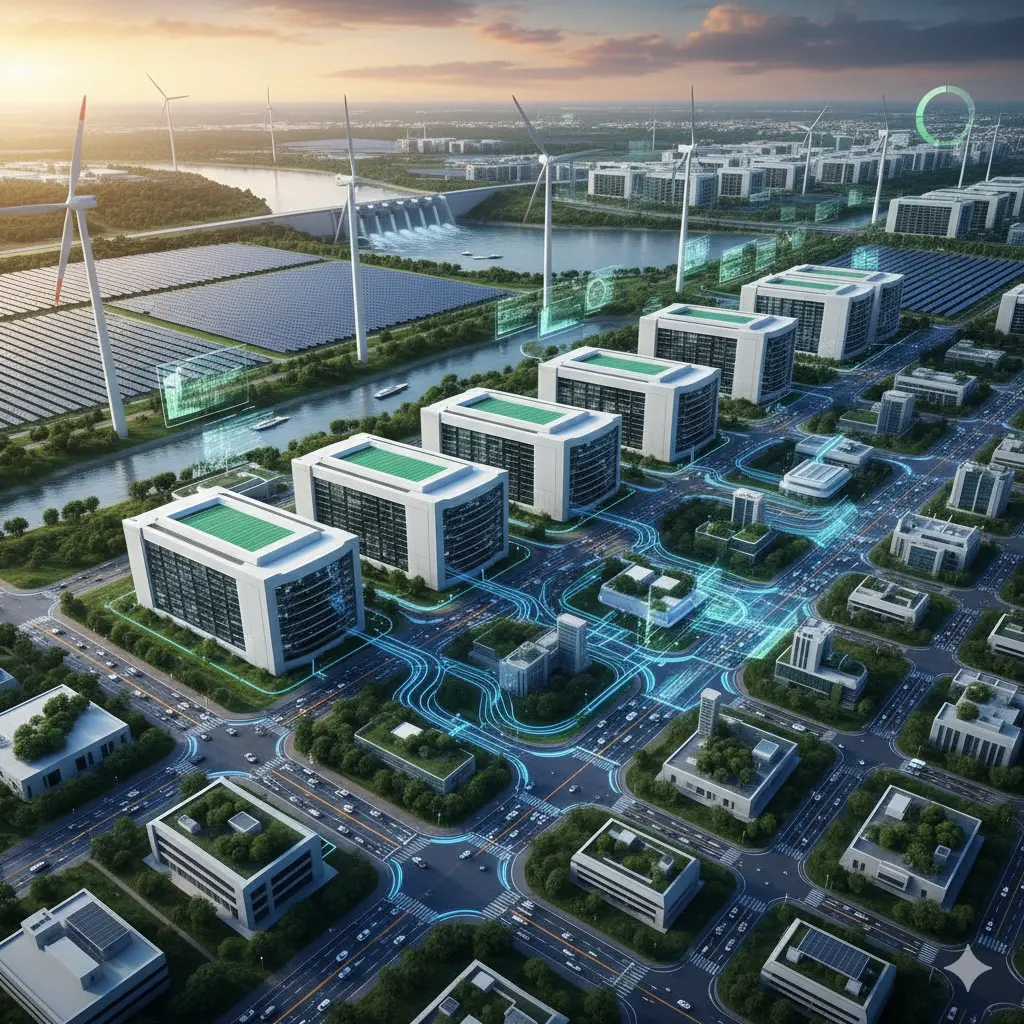
The digital economy runs on data, cloud computing, online transactions, and connected devices. All of that demands enormous amounts of electricity. That’s exactly why renewable energy is no longer just an environmental discussion — it’s becoming a business necessity for companies that want stable operations, lower costs, and long-term growth.
Here’s the thing: as AI systems, data centers, streaming platforms, and digital services expand in 2026, energy consumption is rising much faster than most people expected. Businesses that ignore renewable energy now will probably face higher operating costs, stricter regulations, and weaker consumer trust later.
Renewable energy is becoming essential in the digital economy because modern digital infrastructure consumes massive amounts of electricity. Clean energy helps businesses reduce energy costs, improve sustainability goals, support AI and cloud growth, and protect long-term operational stability while meeting rising consumer and investor expectations.
What Is Renewable Energy in the Digital Economy?
Renewable Energy: Energy generated from naturally replenishing sources like solar, wind, hydro, and geothermal power that can support digital systems without relying heavily on fossil fuels.
When people think about the digital economy, they usually imagine apps, online stores, AI tools, cloud computing, and remote work platforms. What most people overlook is the giant energy infrastructure sitting behind all of it.
Every online search, video stream, cryptocurrency transaction, and AI-generated response requires computing power. Computing power requires electricity. A lot of it.
Data centers alone consume enormous energy resources. Add AI processing, machine learning models, 5G expansion, and billions of connected devices, and the pressure on power grids becomes obvious pretty fast.
That’s where renewable energy enters the picture.
Instead of relying only on traditional electricity sources, companies are investing in solar farms, wind projects, battery storage systems, and green energy partnerships to keep digital operations running efficiently.
In my experience, many businesses still underestimate how tightly energy and digital growth are connected. They treat sustainability like a branding exercise when it’s actually becoming part of operational survival.
Why Renewable Energy Matters in 2026
2026 is shaping up to be a turning point.
AI adoption is accelerating. Cloud services continue expanding globally. Remote work hasn’t disappeared. Video content keeps exploding. Every one of those trends increases electricity demand.
Here’s the uncomfortable reality: traditional energy systems are struggling to keep pace with digital expansion.
Some regions already experience energy strain during peak demand periods. Electricity costs fluctuate unpredictably. Governments are introducing stricter environmental standards. Investors are asking tougher sustainability questions before funding projects.
Renewable energy solves several of these problems at once.
Lower Long-Term Operating Costs
Solar and wind power require upfront investment, sure. But once infrastructure is installed, operational costs tend to drop significantly compared to fossil-fuel-based systems.
Large digital companies understand this well. Many lock in renewable energy agreements because stable electricity pricing matters when your business depends on servers running 24/7.
A company operating multiple data centers can save millions over time simply by reducing dependence on volatile energy markets.
Better Reliability for Digital Infrastructure
This surprises people sometimes, but renewable energy can actually improve stability when paired with battery storage systems.
Traditional grids aren’t immune to outages or supply issues. Businesses that diversify energy sources gain more resilience.
One mid-sized tech firm in Europe installed a hybrid solar and battery system to support its local server infrastructure. During a regional outage, their operations continued while competitors experienced downtime lasting several hours. That single event reportedly protected thousands in client revenue.
Consumer Expectations Are Changing
Customers notice sustainability efforts more than they used to.
A decade ago, few people cared how a streaming platform or ecommerce store sourced electricity. Now consumers regularly evaluate companies based on environmental responsibility.
Younger audiences especially tend to support brands aligned with clean energy and sustainability practices. That directly affects customer loyalty and brand reputation.
AI Is Increasing Energy Demand Faster Than Expected
This is the counterintuitive part most articles miss.
People often assume digital services automatically reduce environmental impact because they remove physical processes. But advanced AI systems consume huge amounts of electricity during both training and operation.
Some AI models require thousands of high-performance processors working continuously for weeks or months.
Without renewable energy adoption, the rapid growth of AI could place enormous strain on existing electricity systems.
That’s one reason many tech companies are racing toward renewable energy partnerships right now.
Expert Tip: Businesses planning AI expansion should evaluate energy strategy early, not after scaling operations. Energy costs can quietly become one of the biggest hidden expenses in digital growth.
How to Integrate Renewable Energy Into Digital Operations
Switching to renewable energy doesn’t always mean building massive solar farms immediately. In most cases, companies adopt renewable solutions gradually.
Here’s a practical step-by-step approach.
1. Audit Current Energy Consumption
Before making changes, businesses need accurate energy data.
That means analyzing:
Server usage
Office energy consumption
Cloud infrastructure demand
Cooling systems
Peak electricity periods
Many organizations discover waste they didn’t even realize existed.
One ecommerce company found outdated cooling systems were consuming nearly as much electricity as some of their computing equipment. Small operational fixes created major savings before renewable upgrades even started.
2. Move Toward Energy-Efficient Infrastructure
Efficiency comes first.
Renewable energy works best when businesses reduce unnecessary consumption beforehand. Upgrading hardware, improving cooling systems, and optimizing cloud architecture can lower energy demand dramatically.
This step is less flashy than installing solar panels, but honestly, it’s often where the fastest savings happen.
3. Partner With Renewable Energy Providers
Not every company can generate energy onsite.
That’s why many businesses purchase renewable electricity through clean energy agreements. These partnerships allow organizations to support green energy production without owning infrastructure directly.
Cloud providers increasingly offer renewable-powered hosting options as well.
4. Invest in Backup Storage Systems
Battery storage matters more than many businesses realize.
Renewable energy sources like solar and wind naturally fluctuate. Storage systems help maintain operational consistency during low-generation periods.
For digital businesses running nonstop services, backup storage reduces operational risk significantly.
5. Monitor and Adjust Continuously
Renewable energy adoption isn’t a one-time project.
Energy usage changes as businesses grow. AI systems evolve. Digital traffic increases. Infrastructure expands.
Companies that regularly review performance data usually see better long-term efficiency gains.
Common Mistake Businesses Make About Renewable Energy
A lot of companies think renewable energy is mainly about public image.
That’s outdated thinking.
Yes, sustainability marketing helps. But the deeper issue is operational economics. Businesses depending entirely on unstable traditional energy systems may face rising costs and supply uncertainty over the next decade.
I’ve seen organizations spend heavily on digital transformation while ignoring energy strategy completely. That’s a risky imbalance.
Technology growth without energy planning is a little like building a bigger factory without checking if the electrical system can handle the machines.
Sooner or later, something breaks.
How Renewable Energy Supports Data Centers
Data centers sit at the center of the digital economy. They power cloud computing, streaming, online banking, AI systems, ecommerce, and remote work platforms.
And they consume staggering amounts of electricity.
Cooling systems alone can account for a large percentage of data center energy usage.
Renewable energy helps in several ways:
Reduces long-term electricity costs
Supports sustainability targets
Improves operational stability
Helps meet environmental regulations
Strengthens investor confidence
Some newer data centers are even being designed around renewable energy availability rather than urban convenience. That’s a pretty major shift in infrastructure planning.
Renewable Energy and Digital Transformation
Digital transformation and renewable energy are becoming deeply connected.
Businesses investing in automation, AI, cloud services, and connected technologies are also increasing their energy dependence. Without sustainable power solutions, operational costs can climb faster than expected.
Here’s what I think many executives are finally realizing: digital growth isn’t only about software anymore. Infrastructure matters again.
Reliable energy infrastructure might become one of the biggest competitive advantages over the next decade.
A manufacturing company adopting AI-driven logistics systems, for example, could reduce labor inefficiencies while simultaneously increasing electricity dependence. Pairing those upgrades with renewable energy investments creates stronger long-term stability.
That combination matters more than flashy innovation headlines.
Expert Tip: Companies planning major digital transformation projects should include energy forecasting in early budgeting discussions. Waiting until later often creates avoidable costs.
Why Investors Care About Clean Energy Adoption
Investors pay attention to sustainability metrics now because they affect risk.
Energy instability, environmental regulations, and carbon exposure can all influence profitability.
Businesses using renewable energy often appear more prepared for future operational challenges.
That doesn’t guarantee success, obviously. But it does signal long-term planning.
Many investment groups now evaluate:
Carbon reduction strategies
Renewable energy usage
Energy efficiency reporting
Sustainability commitments
Operational resilience
Digital companies ignoring these factors may struggle to attract certain institutional investors moving forward.
My Hot Take on Renewable Energy in Tech
Here’s my slightly unpopular opinion.
Some businesses still treat renewable energy like a public relations campaign instead of infrastructure planning. That mindset probably won’t survive much longer.
Energy availability is becoming part of digital competitiveness itself.
The companies that adapt early may gain lower operational costs, stronger customer trust, and more stable scaling opportunities. Late adopters could end up paying premium costs just to keep systems running efficiently.
And honestly, once AI demand scales further, energy conversations are going to get much louder.
People Most Asked About Renewable Energy in the Digital Economy
Why does the digital economy need so much electricity?
Digital systems rely on servers, data centers, cloud computing, AI processing, and internet infrastructure that operate continuously. Every online interaction requires energy somewhere in the system.
Is renewable energy cheaper for digital businesses?
In many cases, yes over the long term. Initial setup costs can be high, but renewable energy often reduces ongoing electricity expenses and protects businesses from volatile energy pricing.
How does renewable energy help data centers?
Renewable energy lowers operating costs, supports sustainability goals, improves investor confidence, and helps maintain stable infrastructure for high-demand digital services.
Can small businesses benefit from renewable energy too?
Absolutely. Smaller businesses can use renewable-powered hosting, energy-efficient systems, and clean electricity providers without building large-scale infrastructure themselves.
Does AI increase energy consumption significantly?
Yes. AI training and processing require substantial computing resources, which consume large amounts of electricity. That’s one reason renewable energy adoption is accelerating in tech industries.
What industries benefit most from renewable-powered digital infrastructure?
Cloud computing, ecommerce, fintech, streaming services, healthcare technology, AI companies, and remote work platforms all benefit heavily from stable renewable energy systems.
Will renewable energy become mandatory for digital companies?
Probably not universally mandatory, but regulations and investor expectations are tightening. Companies that ignore sustainability trends may face financial and operational disadvantages.
Final Thoughts
Renewable energy is becoming essential in the digital economy because digital growth depends entirely on reliable electricity. As AI systems, cloud computing, and connected technologies expand in 2026, energy demand will keep rising. Businesses that invest in renewable energy now position themselves for lower costs, stronger operational stability, and better long-term resilience.
The shift isn’t only about environmental responsibility anymore. It’s increasingly about economic survival, infrastructure planning, and staying competitive in a rapidly evolving digital world.
If your business depends on digital systems — and honestly, most businesses do now — energy strategy can’t stay in the background much longer.
Businesses looking to improve brand visibility, organic traffic, and SEO ranking can also benefit from professional press release distribution services and trusted digital marketing services. Combining media coverage, high authority backlinks, and instant publishing opportunities helps startups, agencies, and growing brands strengthen online authority while reaching wider audiences through targeted promotion strategies.